
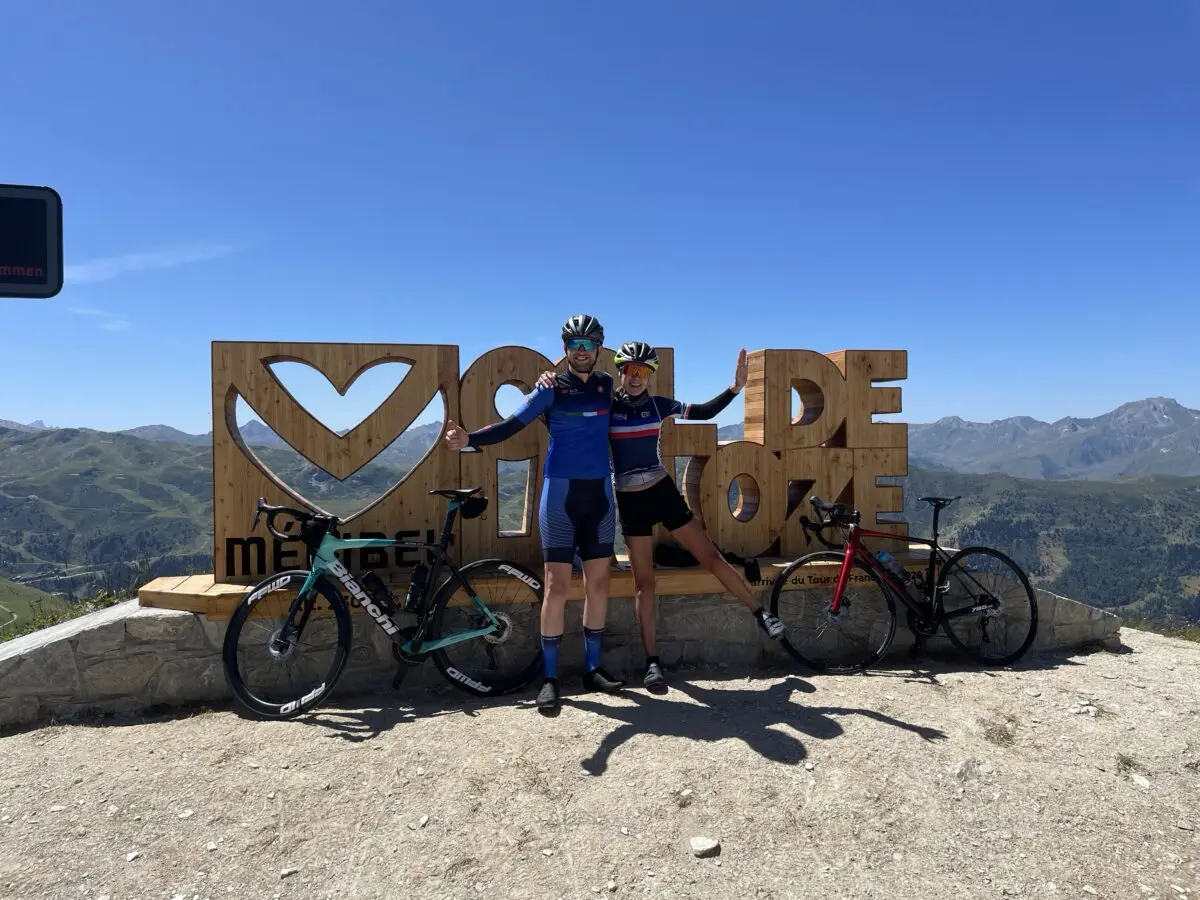
Col de la Loze History of the Tour: From ski slope to Tour legend
The history of many mountain passes is measured in decades or centuries. But the Col de la Loze This climb is different; its story as a cycling icon was written in just a few years. Since the first asphalting in 2019, this Alpine climb has acquired legendary status within the Tour de France.
A new mountain pass is born, paving the way to heaven.
Although the geography is ancient, the modern road passes over it. Col de la Loze It's brand new. The connection between the Méribel and Courchevel ski areas was only paved in 2019, which essentially means that there was no decent climb for cyclists to the top before that.
Thanks to that investment, Col de la Loze The course quickly became passable. And what a climb it is: a long, steep, unpredictable final stage that pushes the riders to their limits.
Debut in the Tour de France — 2020: A wild queen stage
The first time the Tour de France ever challenged Col de la Loze was in 2020when it acted as the mountaintop finish for stage 17 (Grenoble → Méribel/Col de la LozeThat marked the debut of Col de la Loze as a “Tour col.”
The result? An exciting finale: Miguel Ángel López took the stage victory – the very first on this climb – while the battle for the general classification remained exciting behind him, confirming the climb's reputation as a tough test.
Race organizers described the new finish as a prototype of a 21st century mountain pass: high altitude (2,304 m), unforgiving climbs of sometimes double digits and a spectacular final climb that stands out from many others.

Return in 2023 and 2025 — and already decisive.
Col de la Loze It was not just a short-lived appearance; Since 2020, the climb has returned to the Tour route. In 2023 the climb was included again, with the finish in Courchevel-Altiport after the climb.
It is scheduled again in 2025 in stage 18, with a spectacular final climb from Courchevel to the summit at 2,304 meters. This latest appearance confirms that Col de la Loze is now considered one of the Tour's modern, popular alpine finishes.
With its combination of height and length (the climb of the Tour final) profiles With a length of approximately 26.4 km and an average gradient of ~6.5%), an unpredictable profile and high stakes, the climb has quickly become a favorite spot for big attacks in the general classification.

What makes the Col de la Loze very special
- New territoryUnlike traditional Alpine passes with a long racing history, the Loze was only paved in 2019, meaning pro riders had never ridden there before 2020. This novelty creates extra unpredictability.
- Steep, irregular last kilometersThe climb does not allow for a constant rhythm: steep slopes, varying angles of inclination, and then flat parts again. According to riders, you sometimes have to pedal 300 watts to stay upright.
- Altitude and “weather risk” in the mountainsThe summit is at an altitude of 2,304 meters, the air is thinner and the weather can change quickly. Conditions here often pose a much greater challenge to cyclists than on lower mountain passes.
- Strategic placementAs the final climb or decisive uphill finish, the Loze is often scheduled late in the race, which is perfect for shaking up the general classification.
All this makes the climb as beautiful as it is brutal, a perfect ingredient for drama in the Tour.

Legendary moments so far
- 2020 – First ascentMiguel Ángel López wins; many riders are surprised at how tough the climb was. Col de la Loze immediately takes on mythical status.
- 2023 – GC Deciding MatchEen fase waarin het lot van het eindklassement verandert. “I'm gone, I'm dead” – Tadej Pogacar. Col de la Loze once again proves its strength.
- 2025 – Reinvented route: First Tour finish from the Courchevel side with the longest final climb in Tour history. Proves that Col de la Loze is now a permanent fixture, not a one-off event anymore.
Col de la Loze every time. The film offers drama, suffering and unforgettable cycling theater.
Conclusion: Col de la Loze is a fast-growing classic in the history of the Tour.
It is rare for a climb to achieve legendary status in just a few years. Yet that is exactly what the Col de la Loze And it has done. From a brand new, asphalted mountain road to a battleground in the world's largest cycling race: the rise has been rapid.
Would you like to climb this now famous mountain pass yourself? Then we recommend that you… Gran fondo needs or accommodation for your cycling holiday in the region.